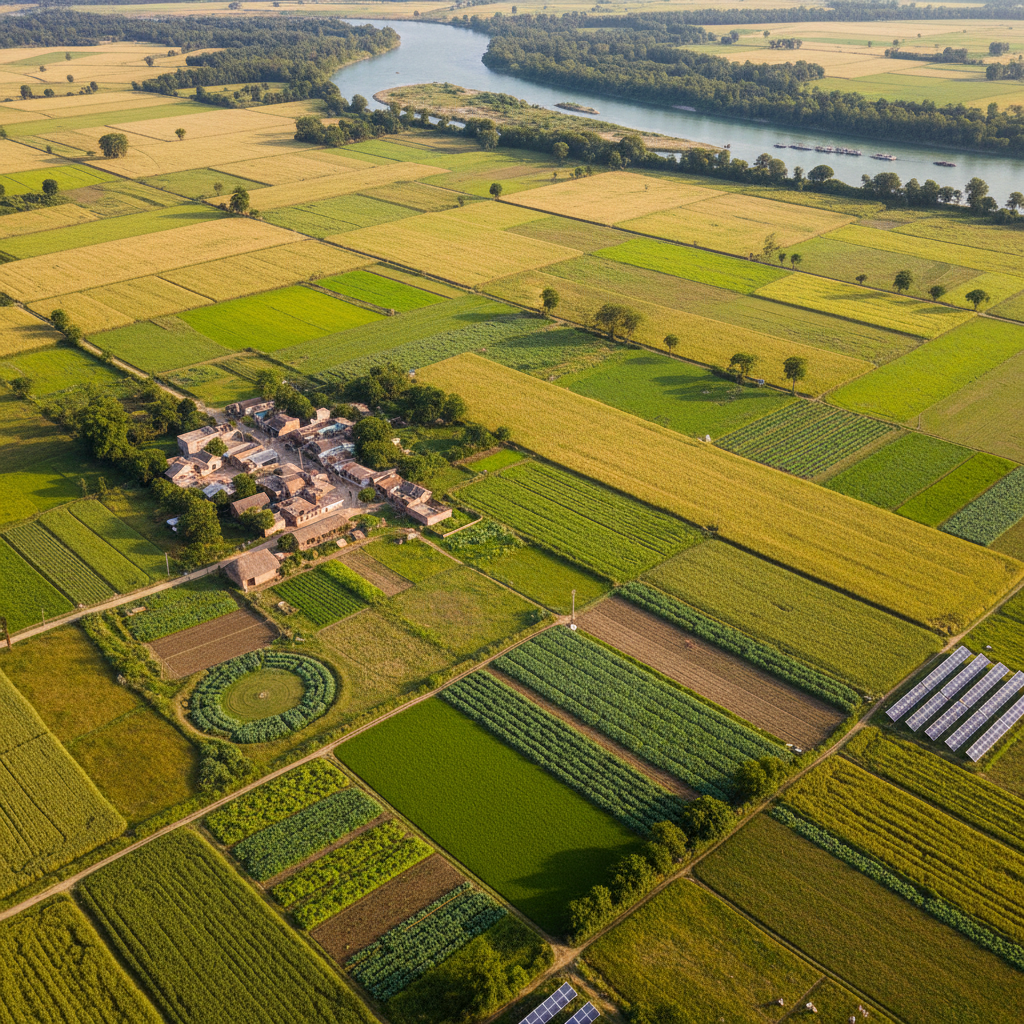
40 bighas of fertile land cultivated with sustainable practices, creating an eternal cycle of blessing that nourishes both family and community through the Khanqah
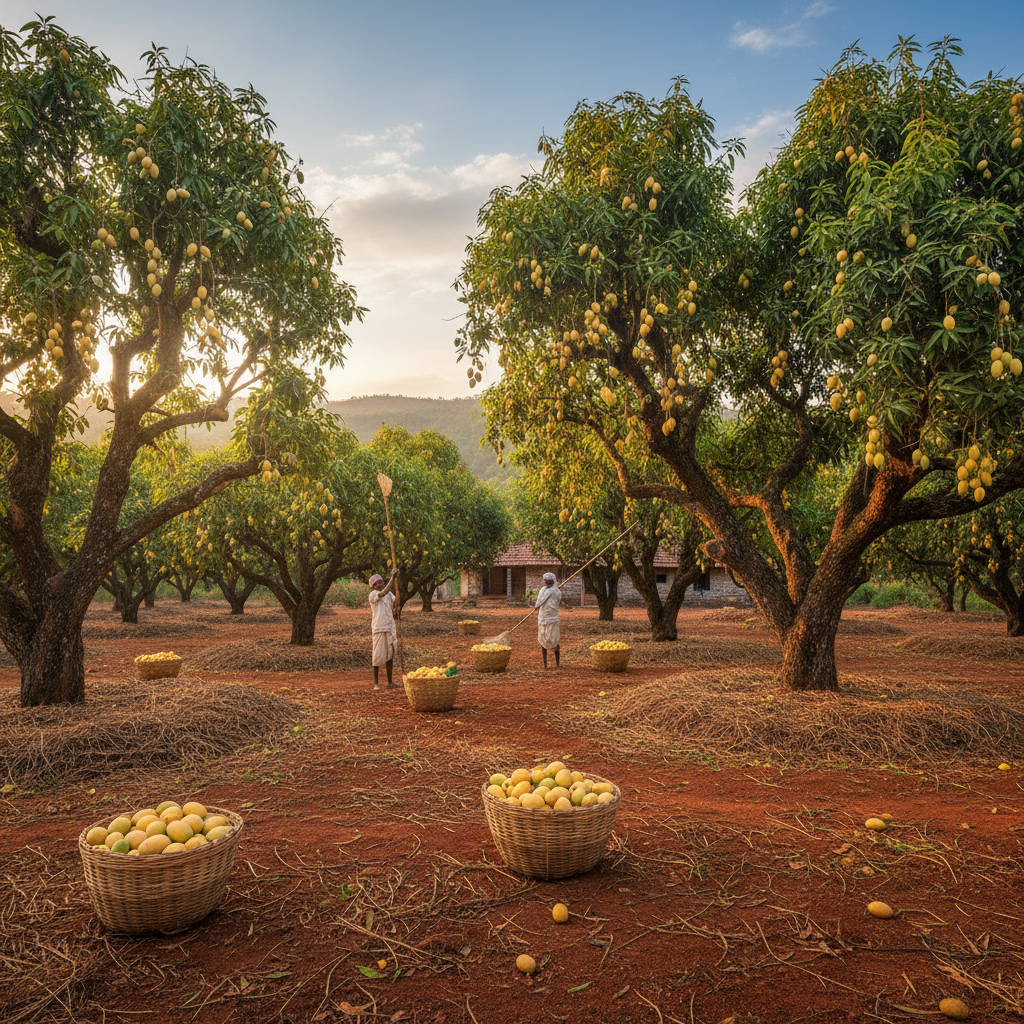
Since 1939, these 40 bighas have been more than agricultural land - they represent a living covenant between earth and spirit, where sustainable farming practices create abundance that flows directly into community service.
Every harvest season brings not just crops, but the fulfillment of a purpose: supporting the Khanqah in Chapra, hosting religious functions, and serving the broader community. This is farming as ibadah (worship) - where tilling the soil becomes an act of devotion.
The land benefits from the Ghaghara river's natural irrigation, traditional Bihar farming wisdom passed through generations, and modern sustainable practices that honor both productivity and environmental stewardship.
Explore the different sections of our 40 bighas and discover what grows in each area throughout the year
The eternal rhythm of cultivation - four seasons, countless blessings
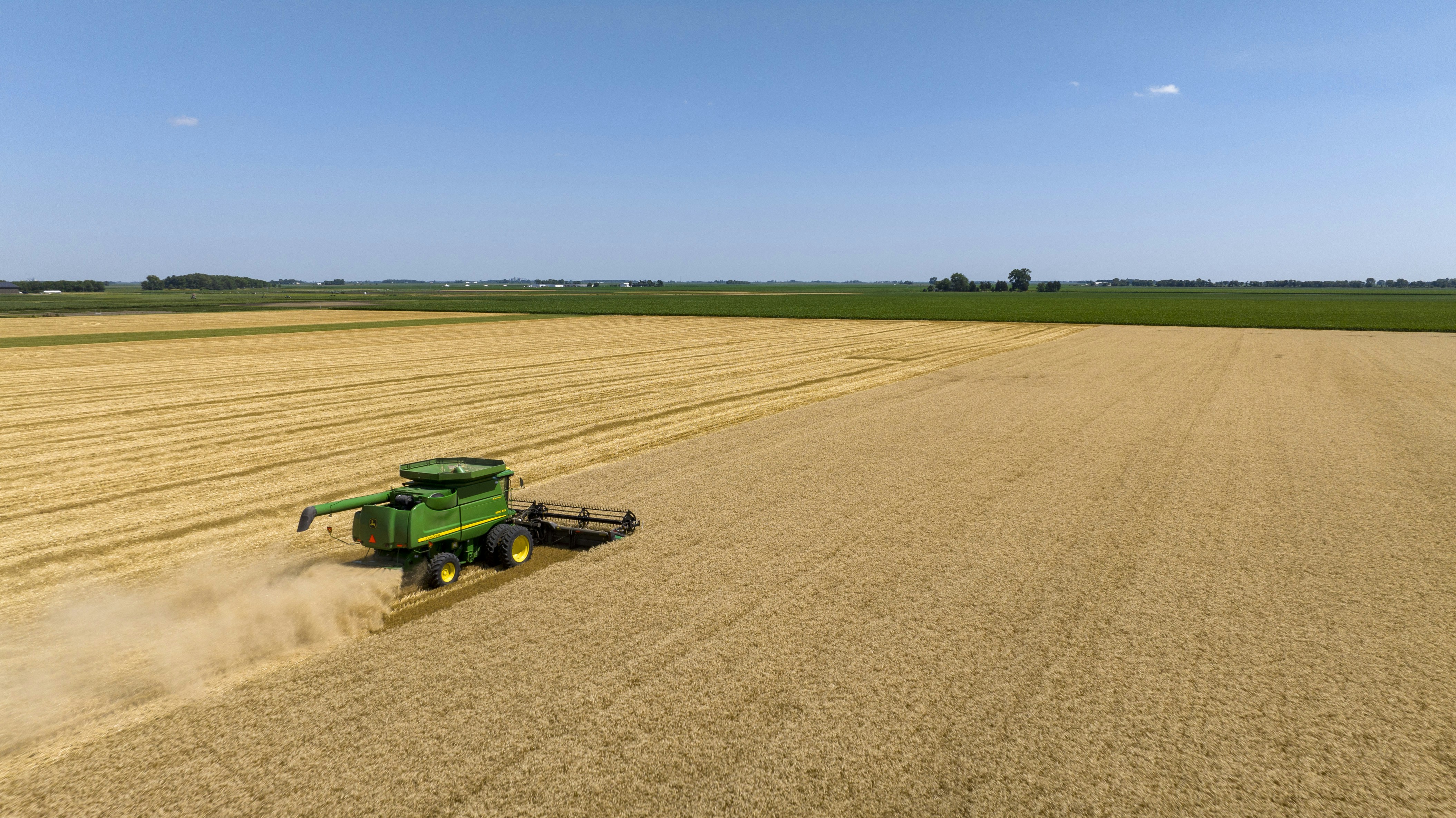
The land is yielding its winter bounty. Wheat fields are golden and ready for harvest, mustard flowers paint the landscape yellow, and winter vegetables are at their peak. This is the season of abundance and gratitude.
Primary Crops: Wheat, Mustard, Chickpeas, Winter Vegetables (Cauliflower, Cabbage, Peas)
Activities: Harvesting winter crops, threshing wheat, processing mustard oil, preparing for summer planting
Water Source: Ghaghara river flow is gentle, supplemented with well irrigation
Community Impact: Major harvest season - revenue supports Khanqah operations and religious functions
Primary Crops: Mangoes (main harvest), Watermelon, Cucumber, Summer Vegetables
Activities: Mango harvesting and distribution, preparing fields for monsoon, maintaining irrigation systems
Water Source: Well irrigation critical during hot months, fish pond maintenance
Community Impact: Mango distribution to family and community, preparation for monsoon planting
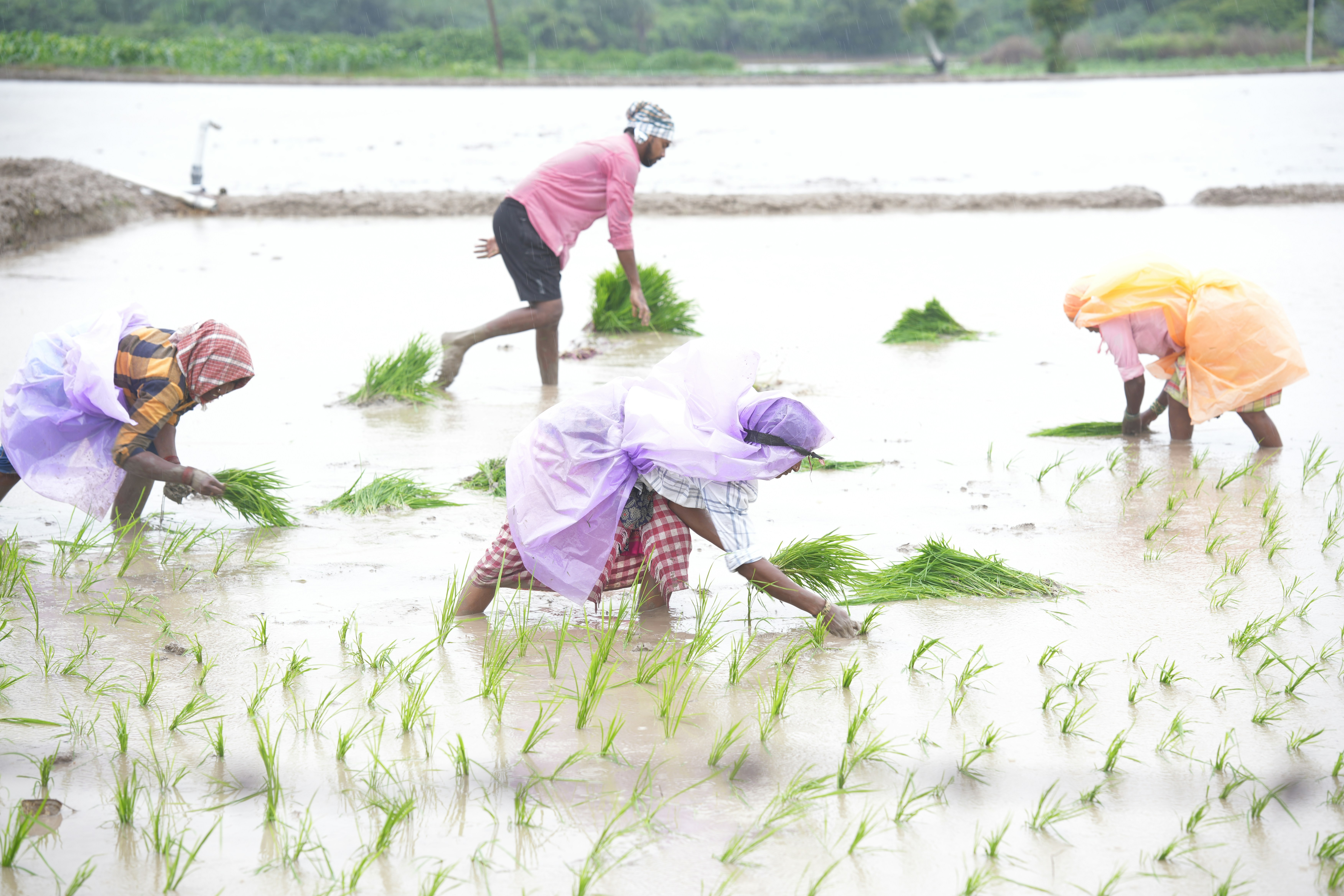
Primary Crops: Rice (main crop), Maize, Pulses, Monsoon Vegetables
Activities: Rice transplanting, managing water levels, maintaining drainage, fish pond renewal
Water Source: Ghaghara river in full flow, natural irrigation abundant, flood management
Community Impact: Critical planting season, community labor sharing, preparation for autumn harvest
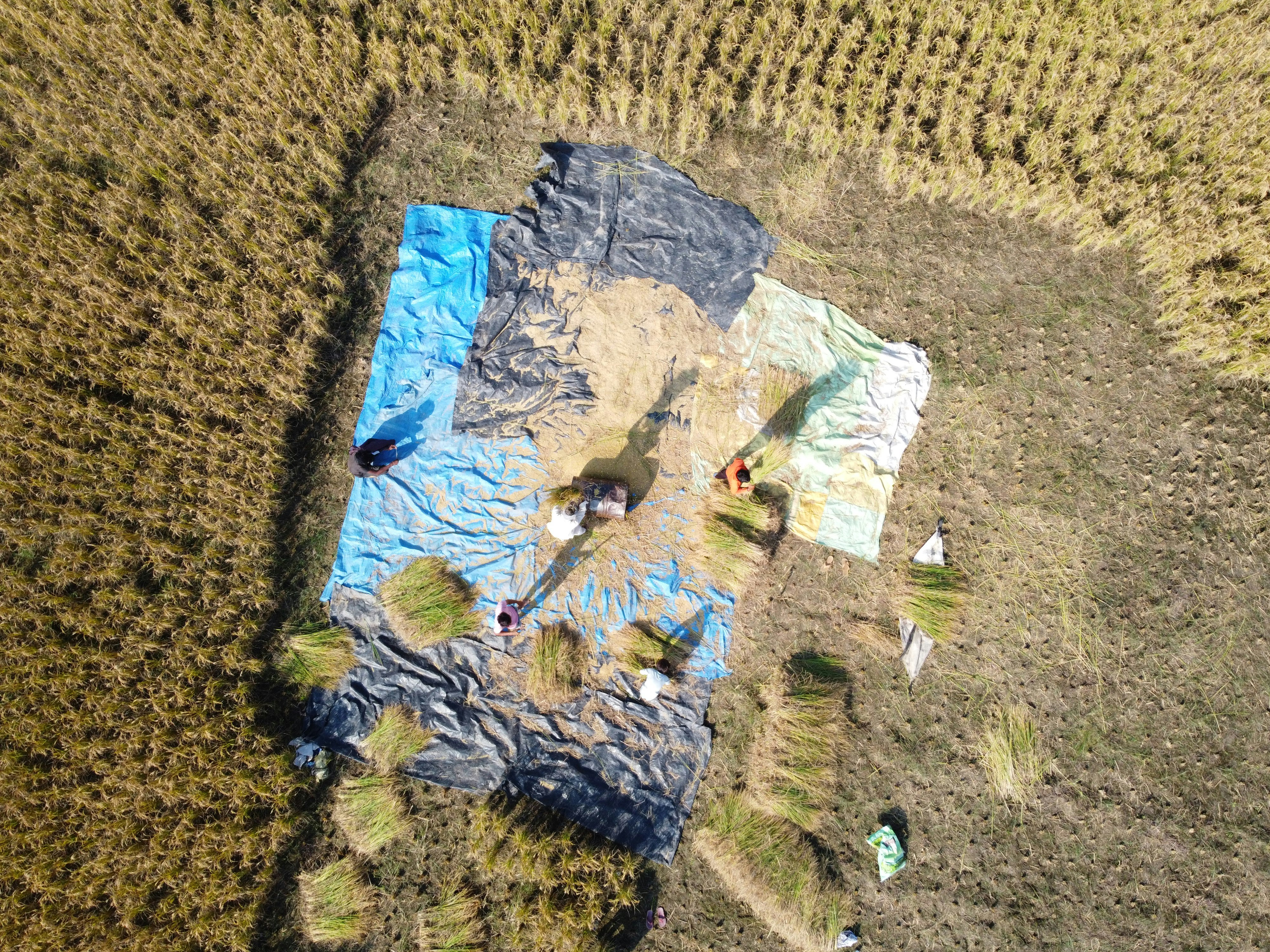
Primary Crops: Rice harvesting, Late Vegetables, Preparation crops
Activities: Rice harvesting and processing, preparing fields for winter crops, community thanksgiving
Water Source: River receding, revealing fertile banks, well irrigation begins
Community Impact: Major harvest celebration, distribution to Khanqah, religious functions, winter crop planning
Traditional wisdom meets modern sustainability - farming as stewardship of creation
Cattle manure and crop residue composting create nutrient-rich organic fertilizer, eliminating chemical dependency while improving soil health.
Strategic rotation between rice, wheat, pulses, and vegetables maintains soil fertility naturally and prevents pest buildup across seasons.
Ghaghara river irrigation combined with traditional well systems and rainwater harvesting ensure efficient water use throughout the year.
Mixed farming with orchards, fish pond, and diverse crops creates habitat for beneficial insects, birds, and aquatic life.
Farming techniques passed through generations since 1939, combining ancestral wisdom with modern sustainable innovations.
Surplus produce distributed to community members and Khanqah, ensuring food security while strengthening social bonds.
How farming revenue creates a cycle of blessing - from soil to soul to service
Primary revenue supports daily operations, maintenance, and spiritual activities at the Khanqah
Religious gatherings, community support throughout the year
Cottage maintenance, land improvements, and sustainable farming infrastructure
"Every grain harvested carries a dual purpose - sustaining life and serving souls"
This economic model has sustained the Khanqah and community for over 85 years, proving that spiritual service and sustainable farming create a virtuous cycle of blessing.
Measuring our commitment to environmental stewardship and community wellbeing
Complete elimination of chemical pesticides through natural pest management and crop rotation
Mango orchards and native trees providing carbon sequestration and habitat
Direct and indirect community support through employment and food distribution
Every season brings new lessons in patience, gratitude, and the cycle of giving and receiving. The land at Omer Cottage is not just agricultural property - it's a living classroom in sustainable living and purposeful service.